


Category Archives: Adventure
Sacred Ruins: Hidden Jungle Temples to Explore
Source:https://ichef.bbci.co.uk
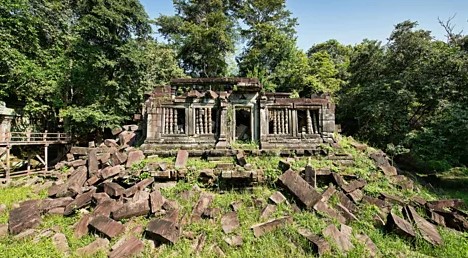
You hack through a wall of wet foliage, wipe sweat from your eyes, and suddenly find yourself face-to-face with a 1,000-year-old carved stone face wrapped tightly in massive strangler fig roots. There are no tour buses here, no megaphones, and no velvet ropes keeping you 20 feet back. Just the raw sound of the forest, the smell of damp moss, and centuries of forgotten history sitting quietly in the shade.
The Magnetism of Hidden Jungle Temples: Beyond the Tourist Hubs
+-----------------------------------------------------------------------------------+
|                     ANATOMY OF A JUNGLE ARCHAEOLOGICAL SITE                       |
+-----------------------------------------------------------------------------------+
|  [ Forest Canopy ]    ----> Humidity control & sun protection                     |
|  [ Strangler Roots ]  ----> Structural tension & natural masonry locking          |
|  [ Lichen & Moss ]    ----> Surface degradation & organic camouflage              |
|  [ Sub-Soil Layers ]  ----> Unexcavated foundations & undiscovered plazas         |
+-----------------------------------------------------------------------------------+
-
Organic Preservation: Understanding how ancient builders adapted mortarless stone joinery (ashlar masonry) to survive tropical rainfall and root intrusion.
-
Low-Impact Archaeology: Experiencing sites that remain intentionally unrestored to protect structural integrity and preserve the natural ecosystem.
-
Authentic Atmosphere: Exploring ruins without heavy crowds, commercial vendors, or artificial barriers.
Premier Global Destinations for Jungle Temple Exploration
| Region & Destination | Ancient Culture | Signature Feature | Access Difficulty | Ideal Season |
| Beng Mealea & Koh Ker (Cambodia) | Khmer Empire | Overgrown Moats & Tree-Strangled Towers | Moderate (Dirt roads) | Nov – Feb (Dry) |
| Yaxchilán & Bonampak (Mexico) | Maya Civilization | Riverboat Access & Intact Murals | Intermediate | Nov – April |
| My Son Sanctuary (Deep Zones, Vietnam) | Champa Kingdom | Brick Towers surrounded by Dense Valley | Easy to Moderate | Dec – March |
| Tikal (Peripheral Structures, Guatemala) | Maya Civilization | Soaring Pyramids Peeking Over Canopy | Moderate | Nov – April |
| Gunung Kawi & Prasat Mengening (Bali) | Ancient Balinese | Rock-Cut Shrines along River Canyons | Easy | April – October |
1. Cambodia’s Forest Complex: Beng Mealea & Banteay Chhmar
2. The Usumacinta River Basin: Yaxchilán (Mexico)
Logistics Masterclass: How to Access Deep Jungle Ruins
                     /---> Arrange Local Specialized Transport (4WD / Riverboat)
                    /----> Verify Park Entrance Permits & Native Village Fees
LOGISTICAL STEPS -------> Download Offline Topographic & Satellite Maps
                    \----> Secure Licensed Native Trackers / Guides
                     \---> Check Micro-Climate & Rain Patterns
1. Master the Multi-Modal Transport Chain
2. Hire Local Community Trackers
Gear Up: Essential Kit for Jungle Explorations
+-----------------------------------------------------------------------------------+
|                        RUIN EXPLORATION GEAR CHECKLIST                            |
+-----------------------------------------------------------------------------------+
|  [ Gear Item ]       [ Optimal Specs ]           [ Strategic Function ]           |
|  Trail Footwear      Aggressive Lugged Runners   Grip on wet, mossy limestone     |
|  Headlamp            200+ Lumens + Red Light     Illuminating dark stone chambers |
|  Apparel             Ripstop Nylon Pants/Shirt   Protection against thorns/vectors|
|  Daypack Dry-Liner   IPX8 Dry Bag                Protecting camera gear from rain |
+-----------------------------------------------------------------------------------+
Essential Packing Rules
-
High-Lumen Headlamp: Ancient stone temples feature dark inner sanctuaries, corbelled archways, and underground passages where natural light cannot reach. Carry a compact, rechargeable headlamp so your hands remain free to balance on uneven steps.
-
Sticky-Rubber Footwear: Decades of moss and humidity make ancient stone polished and slick. Choose footwear with sticky rubber outsoles (like Vibram Megagrip) rather than smooth-soled lifestyle sneakers.
-
Insect Repellent & Long Layers: Mosquitoes and sandflies thrive around damp stone ruins and ancient moats. Wear lightweight, permethrin-treated long-sleeve shirts and pants to avoid bites without overheating.
Expert Advice: Pro Tips & Hidden Warnings
Pro Tip: The “Shadow Hour” Photography Advantage
The “Unstable Masonry” Trap
Respecting the Sacred: Etiquette for Ancient Ruins
                         HERITAGE CODE OF CONDUCT

 [YES] Treat active altars, incense burners, and statues with reverence
 [YES] Pack out all trash and leave zero trace of your visit
 [YES] Stay on designated pathways and wooden boardwalks
 [NO]  Touch, rub, or lean against delicate wall carvings
 [NO]  Take stone fragments, pottery sherds, or organic souvenirs
-
Treat Active Altars with Respect: In many Central American and Southeast Asian jungle ruins, local villagers still leave fresh flowers, incense, or food offerings at ancient shrines. Avoid touching or stepping near these sacred spaces.
-
Leave Everything in Place: Never collect pottery sherds, carved stone fragments, or ancient bricks as souvenirs. Removing artifacts destroys the archaeological context and violates international heritage protection laws.
-
Practice Zero-Impact Exploration: Avoid touching carved bas-reliefs. The natural oils and acids from human skin break down soft limestone and sandstone over time, accelerating erosion on centuries-old artwork.
Summary & Your Next Step
Pack & Go: Jungle Trekking Packages Abroad
Source:https://www.carryology.com
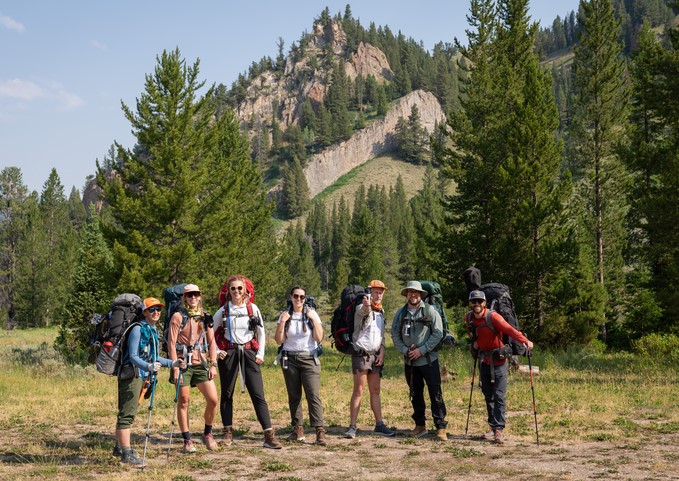
Imagine standing at the edge of the Danum Valley in Malaysian Borneo. The air is so thick with humidity you can practically chew it, and the canopy above hums with a symphony of cicadas, hornbills, and distant gibbon calls. Then, your cheap, unvetted boots give out, water seeps through your “waterproof” pack, and you realize your self-guided shortcut left you miles off-trail without a reliable guide.
Why Booking the Right Jungle Trekking Packages Matters
+-----------------------------------------------------------------------------------+
|                        ANATOMY OF A RELIABLE JUNGLE PACKAGE                       |
+-----------------------------------------------------------------------------------+
|  [ Local Guides ] ----> Wilderness First Aid + Native Terrain Mastery              |
|  [ Logistics ]   ----> Permits + Village Fees + River Logistics                   |
|  [ Safety Net ]  ----> Satellite Comms + Extraction Protocols + Pure Water Systems |
|  [ Camp Setup ]  ----> Hammock/Tarps + Moisture Mitigation + Hot Nutrition        |
+-----------------------------------------------------------------------------------+
-
Terrain Navigation & Safety: Native trackers read trail disruptions, river rises, and wildlife movements that an untrained eye misses completely.
-
Environmental Stewardship: Licensed operators abide by Leave No Trace (LNT) principles and ensure entry fees directly support indigenous conservation efforts.
-
Logistical Redundancy: From securing four-wheel-drive drop-offs to arranging motorized longtail boat pickups, a solid package manages the complex transport chains required to reach deep wilderness.
Top Global Destinations for Multi-Day Rainforest Expeditions
| Region & Destination | Difficulty Level | Signature Wildlife / Highlight | Best Time to Visit |
| Borneo (Danum Valley & Tammung) | Beginner to Intermediate | Orangutans, Pygmy Elephants, Ancient Canopy | March – October (Drier Season) |
| Northern Sumatra (Bukit Lawang) | Beginner to Intermediate | Semi-wild & Wild Orangutans, River Tubing | May – September |
| Peru (Tambopata & Manu) | Intermediate | Macaw Clay Licks, Jaguars, Black Caimans | May – October |
| Costa Rica (Corcovado National Park) | Beginner | Tapirs, Four Species of Monkeys, Scarlet Macaws | December – April (Dry Season) |
| Colombia (Ciudad Perdida / Lost City) | Intermediate | Indigenous Ruins, Coastal Rainforest Trails | December – March, July – August |
1. Southeast Asia: The High-Humidity Primates Haven
2. Central & South America: Biodiversity and Biodiversity Infrastructure
Anatomy of a Great Package: What Should Be Included?
                     /---> Mandatory Local Native Guides & Trackers
                    /----> All Park Permits & Indigenous Conservation Fees
PACKAGE INCLUSIONS ------> Wilderness First Aid & Evacuation Insurance Policy
                    \----> Specialized Camp Gear (Hammocks, Mosquito Nets, Tarps)
                     \---> Clean Water Purification & High-Calorie Meal Prep
1. Ratios of Guides to Trekker
2. Specialized Camping Infrastructure
3. Food and Hydration Systems
Gear Up: Essential Packing Strategy for Jungle Conditions
+-----------------------------------------------------------------------------------+
|                           JUNGLE CLOTHING LAYER SYSTEM                            |
+-----------------------------------------------------------------------------------+
|  [ Layer ]          [ Material ]                [ Purpose ]                       |
|  Trekking Shirt     Synthetic / Ripstop Nylon   Breathable, quick-dry protection  |
|  Trekking Pants     Lightweight Nylon           Thorn, leech & vector defense     |
|  Socks              Merino Wool Blend           Moisture management & cushioning  |
|  Footwear           All-Terrain Trail Runners   Rapid drainage over waterproofing |
+-----------------------------------------------------------------------------------+
Core Apparel & Gear Checklist
-
Synthetic Long-Sleeve Shirts & Trousers: Wear fast-drying nylon or polyester. Keep sleeves down to protect against thorny vines (Wait-a-Minute vines) and insects.
-
Trail Runners over Waterproof Boots: Counter-intuitive, but heavy Gore-Tex boots trap water inside once submerged during river crossings. Opt for lightweight trail runners that drain water instantly and dry quickly.
-
Dry Bags (Dry Sacks): Double-line the inside of your backpack using heavy-duty dry bags or commercial-grade trash compactor bags. Electronic gear should be stored in dedicated IPX8 waterproof cases.
-
Leech Socks: Essential for wet-zone trekking in Southeast Asia. These tightly woven cotton-canvas sleeves pull over your pants and prevent leeches from reaching your skin.
Expert Advice: Pro Tips & Hidden Pitfalls
Pro Tip: The “Dry Camp Clothing” Sacred Rule
The “Waterproof” Footwear Trap
How to Avoid Eco-Washing and Pick an Ethical Operator
                           ETHICAL CHECKLIST

 [YES] Uses local native trackers and pays above-living wages
 [YES] Enforces a strict distance rule from wild animals
 [YES] Packs out ALL non-biodegradable waste from camps
 [NO]  Allows direct touching, feeding, or selfie-posing with wildlife
 [NO]  Leaves disposable plastics, cans, or food waste on trail
-
Wildlife Interaction Policies: If an operator guarantees you will pet, hold, or feed a wild animal (such as orangutans, sloths, or monkeys), walk away immediately. Ethical operators maintain a strict distance from wildlife to prevent disease transmission and behavioral habituation.
-
Community Impact: Check if the operator employs local indigenous guides from nearby villages. Native trackers possess generations of ecological knowledge and deserve fair, above-market compensation for their expertise.
-
Waste Management Protocols: Ask the company directly how they handle human waste and plastic trash. Sustainable outfits pack out every piece of inorganic garbage brought into the reserve.
Summary & Your Next Step
Camp on Ice: Glacier Camping Expeditions for Adventurers
Source:https://guidetogreenland.com
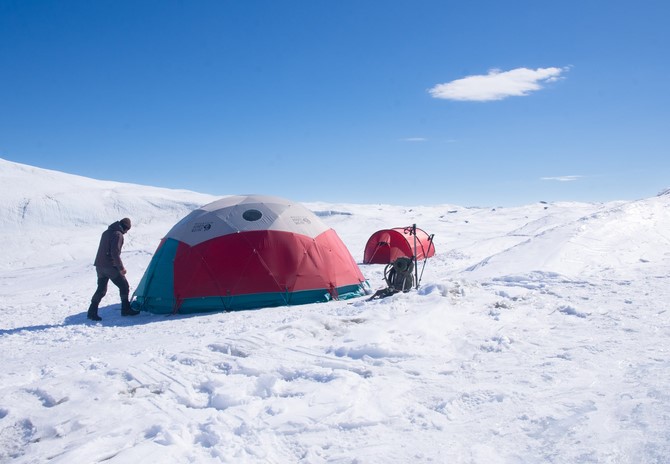
It is 2:00 AM in the middle of a vast Alaskan icefield. You wake up to a deep, muffled groan resonating through the frozen ground directly under your head—a thousand tons of ice shifting a few centimeters downhill. Instead of panicking, you reach out of your four-season tent, unfasten the frost-covered rainfly, and look up to see a brilliant sea of stars or the dancing ribbons of the Northern Lights reflected off a pristine white plain.
What Does Camping on Ice Actually Feel Like? (The Giant Freezer Analogy)
-
Standard Alpine Ground (Cold Concrete Floor): The dirt or rock beneath your tent may be cold, but it holds static thermal mass and stays still throughout the night.
-
Active Glacial Ice (The Walk-in Freezer Slab): The ground under you is a continuous thermal heat sink at 0°C (32°F) or colder, constantly sucking warmth out of your body through conduction while slowly shifting, melting, or creaking underneath.
Technical Elements of Glacier Campsite Management & Thermal Logistics
+-----------------------------------------------------------------------+
|                    GLACIAL CAMPSITE MICROCLIMATE                      |
+-----------------------------------+-----------------------------------+
                                    |
          +-------------------------+-------------------------+
          |                                                   |
          v                                                   v
+-------------------+                               +-------------------+
| Conductive Heat   |                               | Structural Anchors|
| Loss (R-Value)    |                               | (Deadman Snow Pickets)|
+-------------------+                               +-------------------+
          |                                                   |
          +-------------------------+-------------------------+
                                    |
                                    v
+-----------------------------------------------------------------------+
|                 TACTICAL GLACIER CAMPING STRATEGY                     |
|  (Closed-Cell + Inflatable Pads, Four-Season Tents, White-out GPS)    |
+-----------------------------------------------------------------------+
1. Conductive Isolation and Combined R-Values
2. Deadman Anchoring Systems
3. Snow Wall Construction and Katabatic Winds
Comparing Premier Glacier Camping Expeditions Worldwide
| Expedition Region & Country | Terrain & Environment | Key Highlights | Difficulty Level | Recommended Season |
| Ruth Glacier, Alaska (USA) | Deep amphitheater, granite walls, massive icepack | Ski plane drop-in, views of Mount Denali | Intermediate | April to June |
| Skaftafell / Vatnajökull (Iceland) | Volcanic ash layers, vast ice cap, ice caves | Northern lights potential, glacial lagoons | Beginner to Intermediate | November to March |
| Southern Patagonian Ice Field (Chile/Argentina) | Windswept ice sheets, jagged spires | Remote wilderness, dramatic weather shifts | Intermediate to Advanced | November to March |
| Everest Base Camp / Khumbu Glacier (Nepal) | High-altitude debris-covered glacier | High-altitude exposure, iconic Sherpa culture | Intermediate | March to May / Sept to Nov |
Expert Advice: Pro Tips and Hidden Pitfalls from the Ice
Pro Tip: Use a Hot Water Nalgene as a Camp HeaterBefore crawling into your zero-degree sleeping bag, boil a liter of water on your liquid-fuel stove. Pour the boiling water into a hard plastic Nalgene bottle, double-check that the cap is screwed on tightly, wrap it in a spare wool sock, and slide it to the bottom of your sleeping bag. It acts as a personal furnace that radiates heat for up to six hours.
Hidden Pitfall: The Danger of Internal Tent CondensationBreathing inside a sealed tent releases roughly half a liter of moisture per person overnight. In sub-zero temperatures, this water vapor freezes instantly on the inner tent walls, turning into a fine frost. If you bump the tent ceiling in the morning, a freezing snowstorm rains down on your dry down sleeping bag. Always keep your tent vents partially open to allow moisture to escape.
Step-by-Step Glacier Camping Preparation Checklist
Step 1: Reserve Certified Glacier Expedition Guides & Check Weather
   │
   ▼
Step 2: Assemble Dual Sleeping Pad System (R-Value 5.0+) & 4-Season Tent
   │
   ▼
Step 3: Probe Campsite Area for Hidden Crevasses & Build Snow Walls
   │
   ▼
Step 4: Set Deadman Anchors & Melt Glacial Snow for Hydration
-
Probe the Campsite Area First: Before pitching a single tent, the guide team uses long aluminum avalanche probes to check the snowpack in a 20-meter radius around the campsite, ensuring you aren’t setting up camp over a hidden crevasse.
-
Pack Liquid Fuel Stoves: Standard canister stoves (isobutane/propane) lose pressure and fail rapidly in sub-zero temperatures. Always use white-gas liquid fuel stoves, which can be manually pressurized and operate reliably in extreme cold to melt snow for drinking water.
-
Keep Boots Inside Your Sleeping Bag: Never leave your mountaineering boot liners or inner boots outside your sleeping bag overnight. If you leave them in the tent vestibule, they will freeze into solid blocks of ice by morning, making them nearly impossible to put on without risking frostbite.
-
Maintain Strict Trash Containment: Glaciers preserve everything left behind. All human waste and trash must be packed out using specialized waste containment systems (like Cleanwaste bags) to keep these delicate environments pristine.
The Silent Magic of the Frozen Night
Unique Companions: Hiking with Llamas in the Mountains
Source:https://cdn.5280.com
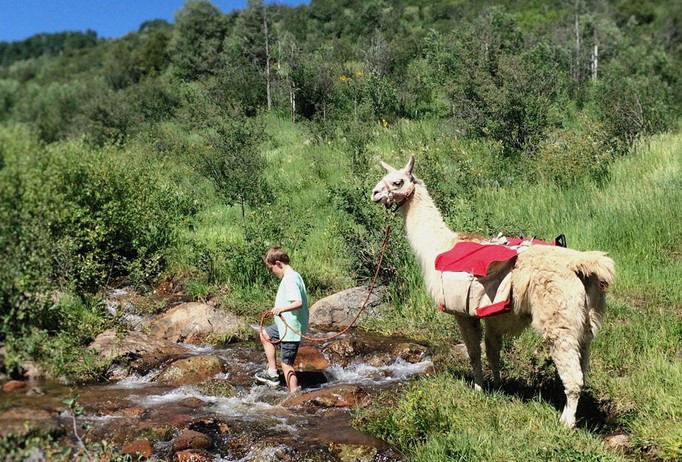
Picture this: You are halfway up a grueling 1,200-foot alpine ascent. Your thighs are screaming, your lower back is throbbing from the 40-pound beast of a backpack strapped to your spine, and you are seriously questioning every life choice that brought you to this altitude. Suddenly, a soft, humming sound echoes behind you. You turn around, and there is a creature with banana-shaped ears, long eyelashes that would make a supermodel jealous, and a look of absolute, serene nonchalance.
Meet your new hiking buddy.
For the past decade, I’ve trekked across various mountain ranges worldwide, dragging traditional backpacks through mud, snow, and shale. But the moment I tried hiking with llamas, my entire perspective on backcountry travel shifted. If you’ve ever wanted to explore the deep wilderness without the crushing physical toll of a heavy pack, llama trekking is the game-changer you didn’t know you needed.
Why Hiking with Llamas is the Ultimate Wilderness Hack
When people think of pack animals, they usually picture stubborn mules or massive horses. But llamas are the hidden gems of the trail. Think of a llama as the organic, eco-friendly all-terrain vehicle (ATV) of the mountains—minus the noisy engine and carbon emissions.
The Ultimate Weight Relievers
The most obvious perk of hiking with llamas is the liberation of your spine. A healthy, mature pack llama can comfortably carry 20% to 25% of its body weight. Weighing between 300 to 400 pounds, a single llama can easily transport 60 to 90 pounds of gear.
For a traditional hiker, this means your load drops from a grueling multi-day pack to a light, breezy daypack containing just your water, camera, and a rain jacket. The llama handles the heavy lifting—your four-season tents, sleeping pads, cast-iron skillets, and that extra bottle of wine you thought you couldn’t bring.
Gentle on the Earth (and Your Sleep)
As an avid outdoorsman, Leave No Trace (LNT) principles are sacred to me. This is where llamas truly outshine horses. Horses have heavy, iron-shod hooves that can tear up delicate alpine tundra and accelerate trail erosion.
Llamas, on the other hand, belong to the camelid family. They possess two-toed feet with soft, leathery pads underneath, similar to a dog’s paw. They glide over the terrain, leaving a footprint so minimal it barely disturbs the soil. Furthermore, their digestive system is incredibly efficient; their pellet-like droppings are virtually odorless and break down rapidly, making them highly eco-friendly trail companions.
Understanding Llama Etiquette: The Technical Side of the Trail
Before you head out into the backcountry, you need to understand the mechanics of working with these camelids. They aren’t pets you walk on a leash like a golden retriever; they are working livestock with distinct behaviors.
+--------------------------+---------------------------------------------------------+
| Llama Trait              | What It Means for the Hiker                             |
+--------------------------+---------------------------------------------------------+
| Two-Toed Soft Pads       | Low trail impact, excellent traction on granite slab.   |
| Modified Ruminant        | Forages on native weeds/grasses; no need to pack grain. |
| Communal Dung Piles      | Easy camp cleanup; protects water sources naturally.    |
| Low-pitched Humming      | Standard communication; signals curiosity or mild stress.|
+--------------------------+---------------------------------------------------------+
The Communication Breakdown
Llamas don’t bark or whinny; they communicate through a series of subtle ear movements, tail positions, and a distinct low-pitched hum. During my first expedition in the Wind River Range, my lead llama, Barnaby, started humming intensely. I initially thought he was enjoying the view, but our guide quickly corrected me: that hum meant he sensed something unusual. Sure enough, a quarter-mile up the trail, a moose was blocking our path. Llamas possess highly acute eyesight and hearing, often acting as an early-warning radar system for wildlife.
A Quick Myth-Buster: Will they spit at you? It’s the number one question I get. The short answer is: almost never. Llamas reserve spitting for internal hierarchy disputes within their herd (usually over food). A well-trained trail llama will not spit at a human unless severely mistreated or startled.
How to Handle a Llama on the Trail: A Beginner’s Guide
If you are new to hiking with llamas, your first trek will likely be with a commercial outfitter who provides a mandatory “Llama 101” orientation. Here is the technical breakdown of how to manage your companion.
Leading, Not Towing
When leading a llama, you hold a lead rope attached to a properly fitted halter. You never wrap the rope around your hand—if the llama trips or spooks, you need to be able to drop the rope instantly to avoid injury.
Maintain a loose slack of about 2 to 3 feet. Let the llama find its own footing. They are remarkably agile and possess an innate ability to choose the safest path through boulder fields and river crossings. If you try to micro-manage their steps, you’ll just end up in a frustrating tug-of-war.
Balancing the Panniers
The technical gear used to load a llama consists of a specialized pack saddle (often an adaptation of the traditional sawbuck saddle) and two side bags called panniers.
-
The Golden Rule of Llama Packing: The weight between the left and right panniers must be perfectly balanced within 0.5 pounds of each other.
-
If one side is heavier, the saddle will shift, causing painful sores on the llama’s spine and potentially causing the animal to lose balance on steep switchbacks. Always use a digital handheld fish scale to check the weight before setting off.
Pro-Tips for an Unforgettable Llama Trek
Over a decade of trail experience taught me these invaluable lessons the hard way:
-
Pro-Tip #1: Give Them Grazing Breaks. Llamas are browsers, not grazers like horses. They prefer high-protein weeds, dandelions, and huckleberry bushes. Allow them to snack periodically while you walk; it keeps their energy up and prevents them from stopping abruptly when they see a juicy bush.
-
Pro-Tip #2: Watch the Ear Position. A llama with its ears pointing forward or slightly upright is happy, curious, and relaxed. If the ears are pinned flat back against the neck, they are angry, frightened, or feeling defensive. Give them space and re-evaluate the situation.
-
Never tie a llama to a movable object, a dead tree, or your own body. If they spook, they can pull down heavy branches or drag you across rocky terrain. Always secure them to a sturdy, living tree or use a highline setup in camp using specialized tree-saver straps.
Ready to Redefine Your Mountain Adventures?
Hiking with llamas isn’t just about outsourcing your physical labor; it changes the entire rhythm of the journey. Without the crushing weight on your shoulders, you can actually look up, breathe in the crisp mountain air, and appreciate the geological wonders around you. You develop a unique bond with an ancient pack animal, navigating the wild spaces of the world together as a team.
Have you ever considered trading your heavy backpack for a pair of fuzzy, banana-shaped ears on the trail? Or maybe you’ve encountered these quirky creatures during your own mountain adventures? Drop your thoughts, questions, or stories in the comments below—I’d love to hear about your backcountry experiences!
Above the Ice: Glacier Helicopter Tours Worth Experiencing
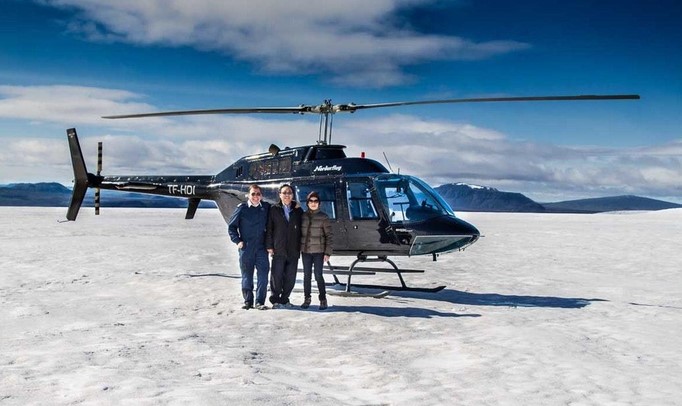
Source:https://viajesislandia.com
The engine whines to life, a low mechanical rumble that vibrates straight through the soles of your boots. Within seconds, the ground drops away, and the familiar green valleys of the world below dissolve into an intimidating, blindingly white expanse of ancient ice.
If you have ever stared up at a mountain peak from the safety of a tourist viewpoint and felt a pang of FOMO, you are not alone. For years, I felt the same way. The most breathtaking, untouched landscapes on our planet are often locked behind grueling multi-day mountaineering expeditions. But over a decade of scouting the globe as a travel writer has taught me that there is a spectacular shortcut: glacier helicopter tours.
Skipping the five-day trek and landing directly on a dynamic, moving river of ice is the ultimate bucket-list upgrade. However, with price tags that can make your wallet winced, you don’t want to fly blind.
Here is everything I have learned from my time in the air, designed to help you choose an experience that is truly worth every single cent.
Why Glacier Helicopter Tours Are Unlike Any Other Flight
To the uninitiated, a helicopter ride is just a helicopter ride. But flying over glaciated terrain is an entirely different beast. It is less like a standard flight and more like entering a massive, open-air cathedral made of frozen time.
Think of a glacier like a massive, ultra-slow-motion conveyor belt of ice. From the ground, it looks static. From a chopper, you can see the immense structural chaos: the deep crevasses, the glowing blue icefalls, and the meltwater streams carving turquoise veins across the white surface.
The Magic of the “Heli-Landing”
If you are booking a flight, always ensure it includes a landing. Seeing a glacier from the air is beautiful, but stepping out onto it? That is where the magic happens.
The moment the pilot cuts the engine and you step onto the crunching surface, a profound silence hits you. You are standing on water that froze centuries ago, far away from civilization, surrounded by peaks that few humans will ever touch.
The World’s Ultimate Glacier Helicopter Tours
Having logged flight hours across multiple continents, a few specific destinations stand out as absolute pinnacles for glacier helicopter tours. If you are planning your next big adventure, these are the regions that deliver the highest ROI on your adrenaline investment.
1. Franz Josef and Fox Glacier, New Zealand
Nestled on the West Coast of the South Island, these glaciers are absolute anomalies. They descend from the Southern Alps into temperate rainforests, creating a striking contrast of vivid green foliage against stark white ice.
-
The Experience: New Zealand is famous for its “Heli-Hike” packages. You don’t just land for a quick photo op; you gear up with talons (crampons) and spend two to three hours trekking through ice caves and towering pinnacles.
-
My Insider Insight: The weather here is notoriously fickle. The Tasman Sea throws unpredictable fronts at the mountains constantly. Book this for your very first day in the region, so you have buffer days if the weather forces a cancellation.
2. Juneau and Denali, Alaska
Alaska is the undisputed heavyweight champion of wilderness aviation. The sheer scale of the icefields here makes other mountain ranges look like backyard hills.
-
The Experience: Tours out of Juneau frequently land on the Mendenhall Glacier. If you go further north to Denali, some operators will land you on the Ruth Glacier, right inside the Great Gorge—a chasm deeper than the Grand Canyon.
-
The LSI Advantage: Look for tours offering glacier dog sledding. Combining a flight with a visit to a remote musher camp on the snowfields is an unforgettable, multi-layered adventure.
3. Interlaken and Zermatt, Switzerland
If you prefer your rugged wilderness paired with high-end European hospitality, the Swiss Alps are unparalleled.
-
The Experience: Flying past the iconic north face of the Eiger or circling the Matterhorn before landing on the Aletsch Glacier—the largest glacier in the Alps—is a masterclass in scenic beauty.
-
The Vibe: It’s incredibly civilized. You can be standing on a pristine high-alpine snowfield at noon, and sipping an espresso in a cobblestone village by 2:00 PM.
The Tech & Terrain: Speaking the Language of the Skies
Before you hand over your credit card, it helps to understand a little bit of the technical side. Knowing the lingo ensures you know exactly what you are paying for when browsing tour operators.
| Term | What It Actually Means | Why It Matters to You |
| Heli-Hike | A flight combined with a guided trek on the ice using specialized gear. | Best for active travelers who want to explore ice caves. |
| Snow Landing | A brief stop (usually 15-20 minutes) on the upper snowfields. | Ideal for photography and those with limited mobility. |
| Crevasse | A deep, structural crack in the glacier ice caused by movement. | Fascinating to see from above, dangerous to walk near without a guide. |
| Meltwater Stream | Channels of brilliant blue water running along the glacier surface. | Creates the signature “neon blue” photos you see online. |
The “Blue Ice” Myth
Many operators feature photos of blindingly neon-blue ice caves. While these caves are real, they are highly dynamic structures that change, collapse, and reform constantly. Never book a tour based solely on a photo of a specific cave. The guides will only take you where it is structurally safe, and the exact features alter from week to week.
Pro-Tips for Your First Glacier Flight
Over the years, I have seen plenty of well-meaning travelers accidentally ruin their own expensive flights due to easily preventable mistakes. Here is how to avoid the common pitfalls:
-
Dress Like an Onion (Layers are Key): The temperature valleyside might be a comfortable 20°C, but once you ascend thousands of feet and step onto a massive block of ice, the wind chill will bite. Wear a windproof outer shell, a thermal mid-layer, and sturdy, waterproof boots.
-
Ditch the Polarized Sunglasses: This is a big one! Polarized lenses are great for reducing glare, but they can distort the screens of your camera or phone, and occasionally make the unique contours of the ice hard to read through the helicopter windows. Opt for standard UV-protection lenses instead.
-
Manage Your Weight Expectations: Helicopters operate on strict weight and balance calculations. Don’t be offended when the operator asks for your exact weight during booking. They aren’t judging you; they are ensuring the aircraft can safely hover at high altitudes. You will be assigned seats based on physics, not personal preference.
Final Thoughts: Is It Worth the Splurge?
Let’s be completely candid: glacier helicopter tours are premium travel experiences that require a significant financial investment.
However, looking down into the radiant blue heart of a crevasse, feeling the crisp, ancient air fill your lungs, and watching the shadows of the rotors dance across a landscape shaped by the Ice Age is a perspective shift that stays with you forever. It is one of the few travel experiences that consistently exceeds the hype.
If you are saving up for one major excursion on your next trip to the mountains, make it this one. You won’t regret it.
Over to You!
Have you ever flown in a helicopter before, or is a glacier landing still sitting right at the top of your bucket list? If you’re planning a trip and trying to choose between different operators, drop your questions in the comments below—I’d love to help you map out your next high-altitude adventure!
Through the Lens: Safari Photography Tours Worth Booking
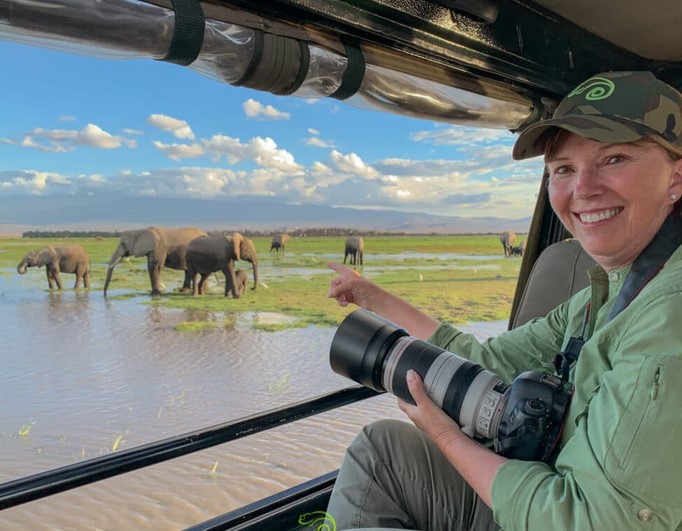
Source:https://theinsatiabletraveler.com
You are sitting in an open-top 4×4, just twenty feet away from a magnificent male lion shaking the morning dew from his mane. The golden hour light is hitting his face perfectly. Heart pounding, you raise your camera, press the shutter button, and—click—the camera hunts for focus, the shutter drags, and you end up with a blurry, overexposed image of a bush while the lion walks away.
Over my ten years of tracking wildlife across the African continent, I have seen this heartbreaking scenario play out on regular tourist game drives dozens of times. A standard holiday safari is designed for sightseers, not shooters. If you want to capture National Geographic-caliber images, you need to step away from the crowds and invest in dedicated safari photography tours.
To the untrained eye, wildlife photography looks like a game of pure luck. In reality, it is a precise blend of logistics, ballistic-like tracking knowledge, and specialized camera mastery. Let’s dive deep into what makes a photo safari worth your hard-earned money and how to choose an expedition that will elevate your portfolio from basic snapshots to breathtaking art.
The Core Technical Differences of a Dedicated Photo Safari
Think of a standard holiday safari like riding a public city bus—it operates on a fixed route, stops briefly at major landmarks, and moves on regardless of whether you got your perfect shot. A premium photo safari, on the other hand, is like hiring a private stunt driver who positions the vehicle exactly where the action is, angles it for the best lighting, and waits patiently until you say “cut.”
Custom Vehicle Modifications: Your Mobile Studio
When booking specialized safari photography tours, the magic starts with the vehicle itself. Standard vehicles cram up to nine people across three rows of tiered seating, blocking your view.
True photography vehicles are modified to hold a maximum of three to four photographers per vehicle—guaranteeing every person an unobstructed window seat. They feature low-angled shooting hatches, fold-down side panels that allow you to get eye-level with predators, and integrated gimbal heads or beanbag mounts to stabilize massive telephoto lenses.
The Power of Photographic Guides
The most critical asset on a photo tour isn’t the vehicle; it’s the person behind the wheel. Standard safari guides are excellent at spotting animals and naming birds.
A specialized photographic guide understands the mechanics of light. They know how to position the vehicle so the sun is directly behind your shoulder for front-lit detail, or directly behind the animal for dramatic rim-lighting. They can anticipate animal behavior, meaning they will park the vehicle ahead of a moving cheetah, giving you the time to dial in your settings before the hunt begins.
Top Safari Corridors Built for Wildlife Photographers
While wildlife is unpredictable, certain destinations offer distinct geological and infrastructural advantages that make them absolute goldmines for camera operators.
+--------------------+------------------------------------+------------------------------------+
| Destination        | Target Wildlife Focus              | Key Photographic Advantage         |
+--------------------+------------------------------------+------------------------------------+
| Mashatu, Botswana  | Elephants, Leopards, Apex Predators| Underground hide photography       |
+--------------------+------------------------------------+------------------------------------+
| Maasai Mara, Kenya | Big Cats & The Great Migration     | Open plains, off-roading freedom   |
+--------------------+------------------------------------+------------------------------------+
| Chobe River,       | Aquatic Birds, Hippo Pods,         | Custom flat-bottom boat gimbals    |
| Namibia/Botswana   | Swimming Elephants                 |                                    |
+--------------------+------------------------------------+------------------------------------+
1. Mashatu Game Reserve, Botswana (The Hide Photography Haven)
Mashatu is world-renowned for its sunken elephant hides. These are structurally reinforced, underground shipping containers buried right at the edge of active waterholes.
Sitting in these hides puts your lens literally at ground level, looking up at an eight-ton elephant just feet away. This extreme low-angle perspective creates an incredible sense of scale and intimate depth of field that you simply cannot replicate from the seat of a traditional vehicle.
2. The Maasai Mara, Kenya (The Classic Savanna Horizon)
The Mara offers wide-open, unobstructed grasslands that serve as a clean, minimalist canvas for your images. Because there is minimal thick bush, it is the perfect training ground for intermediates to practice action panning shots and tracking high-speed hunts.
When choosing a tour operator here, look for those based in private conservancies rather than the main national reserve. Private conservancies grant your driver the legal right to go off-roading, allowing you to follow a leopard into a dry riverbed rather than watching helplessly from a paved tarmac road.
Dialing in Your Gear: The Safari Technical Toolkit
You do not need a $20,000 budget to shoot an incredible safari, but you do need to understand how to optimize the gear you currently own.
Mastering the Dual-Body Setup
Dust on the savanna is brutal. If you try to swap lenses in the middle of a dusty game drive to switch from a distant lion to a close-up bird, you will ruin your camera’s image sensor.
The pro standard is to travel with two camera bodies. Keep a long telephoto lens (such as a 100-400mm or 200-600mm) fixed to your primary body for long-range action. On your secondary body, mount a versatile mid-range zoom (like a 24-70mm or 70-200mm) to capture environmental landscapes, wider animal groups, and sudden close-encounters next to the vehicle.
Understanding Camera Settings for Dynamic Action
Wildlife moves fast, and light changes rapidly. To ensure sharp images, configure your camera to these base settings before leaving camp:
-
Drive Mode: Continuous High (Burst Mode) to capture the split-second splash of a crocodile strike.
-
Autofocus Mode: Continuous AF (AI Servo) paired with Animal Eye-Tracking to lock focus on the eyes, not the nose.
-
Minimum Shutter Speed: At least 1/1000s for resting animals, and up to 1/2500s or faster to freeze a bird in flight or a sprinting cheetah.
     ⚠️ THE HIDDEN WARNING: THE WEIGHT LIMIT PITFALL
     Many beginner photographers pack their heavy hard-case rollers full of glass
     lenses only to get turned away at the airport gate. Most premier safari photography
     tours rely on small, regional bush planes to hop between remote dirt airstrips.
     These planes have strict weight limits (often a hard cap of 15kg / 33lbs total)
     and require soft-sided duffel bags because rigid suitcases will not fit into the
     cargo pods. Always read your tour's aviation fine print.
Ethical Wildlife Photography: Respecting the Subject
As visual storytellers, our first responsibility is to the well-being of the animals. The rise of social media pressure has unfortunately caused some unethical operators to crowd around predators, blocking their hunting paths or stressing out mothers with young cubs.
How to Vet an Ethical Operator
Before booking any safari photography tours, ask the operator about their ethical guidelines. A responsible company will enforce a strict distance policy, turn off engines when close to an animal to reduce noise pollution, and never use artificial distress calls or bait to lure predators out of hiding. True luxury photography is about patience, stealth, and capturing authentic wild behavior without altering it.
Capture the Wild Forever
Investing in a dedicated photo safari is an immersive masterclass that completely transforms the way you see light, composition, and nature. By prioritizing uncrowded vehicles, expert photographic guides, and proper gear preparation, you set yourself up to bring home images that evoke the true, untamed spirit of the wild.
Are you getting ready to pack your camera bags for your very first African expedition, or are you trying to decide which lens to bring along on your next trip? Drop your gear questions or your bucket-list destinations in the comments below, and let’s get you ready for the field!
Wild Paths: Jungle Trekking Escapes for Adventurers
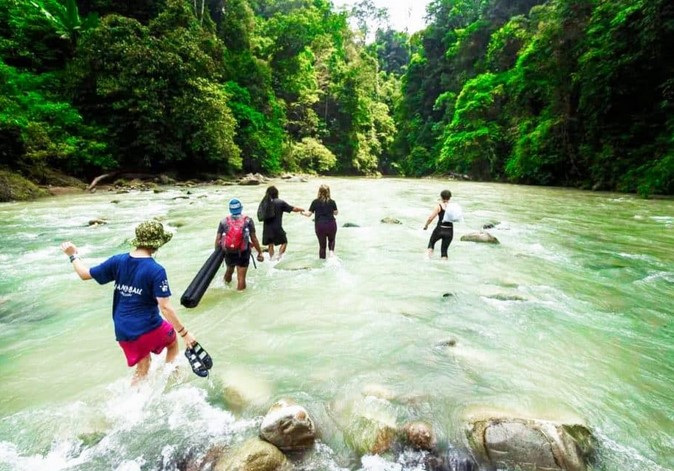
Source:https://hiddenlemur.com
The humidity is so thick you don’t just breathe it—kamu wear it. Your shirt has been plastered to your back for six hours, and every time you stop moving, the silence of the rainforest is immediately replaced by a high-pitched hum of insects that sounds like a live power line. Suddenly, your guide stops, pointing at a patch of disturbed mud. It’s a fresh footprint, three times the size of yours, with claws that have sunk deep into the earth.
In my ten years of navigating the emerald cathedrals of Borneo, the Amazon, and Sumatra, I’ve learned that jungle trekking escapes are the ultimate test of human adaptability. While mountain trekking is a battle against gravity and thin air, the jungle is a battle against complexity. It is an environment that wants to reclaim everything—including your gear, your sense of direction, and your comfort. But for those who know how to read the “Green Wall,” it offers a level of raw, unfiltered intimacy with nature that no other landscape can match.
The “Green Wall” Paradox: Why Jungle Trekking is Different
To the uninitiated, the jungle looks like a chaotic mess of plants. To an experienced trekker, it’s a highly structured skyscraper.
Think of the jungle as a massive, organic library. Most travelers spend their time in the “Lobby” (the cleared paths near lodges), but the real stories—the rare wildlife sightings and the ancient medicinal plants—are tucked away in the “Deep Archives” of the primary forest. Unlike a mountain where you can see the summit from miles away, in the jungle, your world is often limited to the 10 feet of visibility directly in front of your face.
This sensory deprivation is why jungle trekking escapes require a different technical mindset. You aren’t looking for landmarks; you are looking for patterns.
Mastering the Technical Kit: Gear That Survives the Tropics
After a decade of watching “waterproof” boots fall apart in three days and seeing high-end electronics succumb to “internal rain” (condensation), I’ve refined a kit that prioritizes breathability over waterproofing.
-
The Cotton Trap: Never wear cotton. It’s a “death fabric” in the tropics. Once it gets wet from sweat or rain, it stays wet, leading to chafing and fungal infections. Use synthetic blends or ultra-fine merino wool that utilize moisture-wicking technology.
-
Footwear Physics: In the rainy season, I often ditch expensive Gore-Tex boots for local “Kampung Adidas” (rubber studded shoes used by Southeast Asian rangers). Why? Because once a waterproof boot gets wet from the top, it becomes a bucket. Rubber shoes drain instantly and provide the best grip on mossy logs.
-
Leech Management: If you are heading to the Paleotropics (Asia/Africa), leech socks are non-negotiable. They are tightly woven over-socks that prevent these “blood-sucking hitchhikers” from finding a gap in your armor.
Top Destinations for Jungle Trekking Escapes
If you’re ready to move from a beginner “nature walk” to a true adventurer’s trek, these three regions offer the best technical challenges.
1. Gunung Leuser National Park, Indonesia
This is one of the few places on Earth where you can still see orangutans, tigers, rhinos, and elephants in the same ecosystem.
-
The Experience: Trekking here involves navigating steep, root-choked ridges. It’s a masterclass in three-point contact movement (always having two feet and a hand, or one foot and two hands, connected to the earth).
-
Technical Detail: The humidity here often hovers at 95%. Your body cannot cool down through evaporation, so electrolyte management is more important than pure water intake.
2. The Darién Gap, Panama/Colombia
Often called the “most dangerous jungle in the world,” this is for advanced trekkers only. It is a roadless wilderness of swamps and mountains.
-
The Insight: Beyond the political complexities, the technical challenge here is the swamp navigation. You spend days with wet feet, making trench foot prevention (drying feet every night and using anti-fungal powder) a daily survival ritual.
3. Danum Valley, Malaysian Borneo
For those who want to see the “Old Guard” of the jungle. The dipterocarp trees here are among the tallest in the world, creating a majestic high canopy.
-
The Highlight: The Canopy Walkways. Walking 40 meters above the forest floor allows you to see the “Engine Room” of the jungle—the birds and primates that never descend to the ground.
Expert Advice: Navigating the Invisible Risks
The jungle is rarely dangerous because of big predators; it’s the small things that get you.
Tips Pro: The “Look Before You Grab” Rule
In a rainforest, plants have evolved incredible chemical and physical defenses. Some vines have “wait-a-minute” thorns that hook into your skin, while others are home to Fire Ants or Bullet Ants. I always tell my trekkers: Never grab a tree trunk or a vine for balance without looking at it first. One wrong move can result in a sting that feels like a gunshot.
Beware of “Deadfall.” In a primary forest, the biggest killer is often falling branches. After a heavy rain, the weight of the water can cause massive, rotting branches to snap silently. When setting up a temporary camp or taking a break, always look up. If you see “widow-makers” (hanging dead branches) above you, move your spot immediately.
Scannable Checklist for the Jungle Adventurer
To ensure your jungle trekking escapes are memorable for the right reasons, follow this technical checklist:
-
Dry Bags: Use multiple small dry bags rather than one large liner. This creates “air pockets” that can actually help your pack float if you fall during a river crossing.
-
Navigation: Carry a traditional compass alongside your GPS. The dense canopy often causes “signal drift” or total GPS blackout.
-
First Aid: Your kit must include Povidone-iodine (Betadine) and anti-histamines. In the tropics, a tiny scratch can turn into an infected ulcer in 24 hours.
-
Hydration: Aim for 4-6 liters of water a day, supplemented with high-sodium electrolyte tabs to replace what you lose in “insensible perspiration.”
The Sustainable Impact: Why Your Trek Matters
As a traveler who has seen the devastating effects of deforestation firsthand, I believe responsible jungle trekking escapes are a vital conservation tool. When you pay for a local guide and a trekking permit, you are proving to the local government that a standing forest is worth more than timber or palm oil.
Your presence supports the “Guardians of the Forest.” Many of the best guides are former poachers or loggers who now use their incredible tracking skills to protect the wildlife they once hunted. By trekking with them, you are funding the frontline of global conservation.
Conclusion: Finding the Rhythm of the Wild
Jungle trekking isn’t about “conquering” the wilderness; it’s about surrendering to it. It forces you to slow down, to listen to the shift in the cicada’s hum, and to appreciate the sheer resilience of life. It’s a place where your job title and your social media following mean nothing, but your ability to stay hydrated and keep your feet dry means everything.
The wild paths are waiting. They are muddy, they are humid, and they are completely unpredictable. And that is exactly why you should go.
Which jungle has always been on your “Must-Explore” list? Are you drawn to the misty cloud forests of the Andes or the orangutan-filled ridges of Sumatra? Share your dream expedition in the comments below—I’d love to help you chart your course!
Canopy Trails: Rainforest Hiking Escapes into Nature
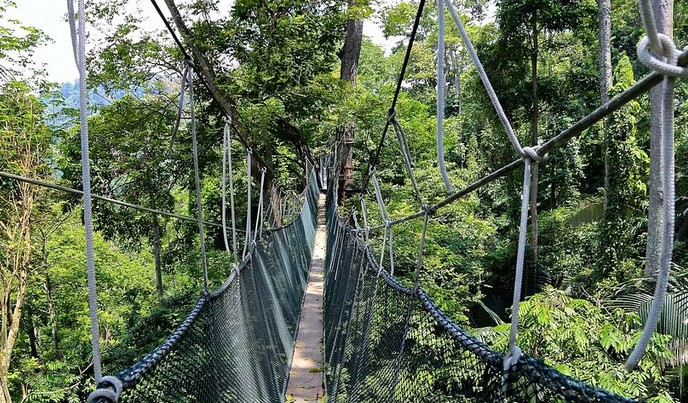
Source:https://dynamic-media-cdn.tripadvisor.com
In a world increasingly shaped by urban expansion and digital routines, many travelers are seeking immersive experiences that restore balance and reconnect them with the natural environment. Rainforest hiking escapes have emerged as a compelling response to this desire, offering access to some of the planet’s most biodiverse and awe-inspiring landscapes. These journeys go beyond conventional hiking by guiding travelers through layered ecosystems, ancient trees, and living canopies that foster both physical challenge and profound appreciation for nature.
Understanding the Unique Appeal of Rainforest Trails
Rainforests are among the most complex ecosystems on Earth, defined by dense vegetation, high humidity, and extraordinary biological diversity. Hiking within these environments provides a sensory-rich experience unlike any other form of outdoor travel. The sounds of birds and insects, filtered sunlight through towering leaves, and the scent of damp earth combine to create an atmosphere of constant discovery.
One of the defining characteristics of rainforest hiking is vertical exploration. Trails often traverse different forest layers, from shaded understories to elevated walkways that move through the canopy. This vertical dimension allows hikers to observe plant and animal life that would otherwise remain hidden. Canopy bridges and raised paths are carefully designed to provide safe access while minimizing disturbance to the surrounding environment.
Rainforest trails also encourage a slower, more attentive style of hiking. Terrain can be uneven, and weather conditions change rapidly, requiring mindfulness and adaptability. This pace allows hikers to engage deeply with their surroundings, noticing subtle details such as epiphytes clinging to branches or the movement of wildlife in the distance. The result is an experience that blends physical activity with contemplation.
Destinations That Define the Experience
Several regions around the world are particularly well-suited for rainforest hiking due to their conservation efforts, accessibility, and trail infrastructure. These destinations showcase how thoughtful planning can make fragile ecosystems available to visitors without compromising their integrity.
Central America is known for its extensive protected rainforest areas and well-maintained trail networks. Hikers often encounter cloud forests where mist drifts through treetops, creating an ethereal atmosphere. Educational signage and guided walks provide insight into ecological processes, helping visitors understand the importance of conservation.
In Southeast Asia, rainforest hiking offers a blend of natural and cultural discovery. Trails may pass near rural communities or ancient sites, illustrating the long-standing relationship between people and forest environments. Biodiversity in these regions is particularly rich, with opportunities to observe rare plant species and elusive wildlife.
South America’s rainforests, especially within the Amazon basin, represent some of the most expansive and untouched hiking environments available. While access is more limited and often requires expert guidance, the reward is a deeper sense of immersion. Hikes in these areas emphasize respect for indigenous knowledge and sustainable practices, reinforcing the idea that nature and culture are inseparable.
Preparing for a Responsible and Rewarding Journey
Successful rainforest hiking requires careful preparation. Weather conditions can be unpredictable, making appropriate clothing and equipment essential. Lightweight, moisture-resistant gear and proper footwear help ensure comfort and safety. Equally important is physical readiness, as trails may include steep ascents, slippery surfaces, and extended periods of walking.
Environmental responsibility is a central consideration. Rainforests are delicate systems, and even small disturbances can have lasting impacts. Travelers are encouraged to follow established trails, minimize waste, and respect wildlife by maintaining appropriate distances. Many hiking programs emphasize “leave no trace” principles, reinforcing sustainable behavior.
Guided hikes often enhance the experience by providing ecological and cultural context. Knowledgeable guides can interpret signs of wildlife, explain plant uses, and share insights into conservation challenges. This educational dimension transforms a hike into an opportunity for learning and advocacy, empowering travelers to support rainforest preservation beyond their journey.
The Lasting Value of Rainforest Exploration
Rainforest hiking offers benefits that extend beyond the immediate adventure. Physically, it promotes endurance, balance, and overall fitness. Mentally, immersion in green environments has been shown to reduce stress and improve focus. Emotionally, the sense of wonder inspired by ancient forests can foster humility and gratitude.
These journeys also shape perspectives on environmental stewardship. Witnessing the richness and vulnerability of rainforest ecosystems firsthand often motivates travelers to adopt more sustainable lifestyles. In this way, hiking becomes a catalyst for broader awareness and responsibility.
As interest in meaningful, nature-centered travel continues to grow, rainforest hiking escapes stand out as experiences that combine exploration with education and ethical engagement. By walking beneath towering canopies and along carefully preserved trails, travelers gain not only unforgettable memories but also a deeper understanding of the natural world and their role in protecting it for generations to come.
Thrill & Nature: Forest Adventure Parks for Families
Source:https://www.goape.com
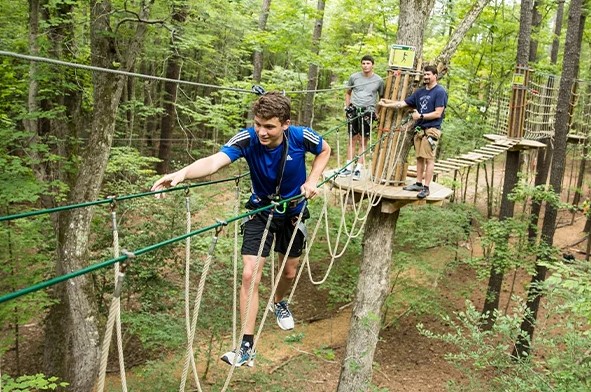
Families today are increasingly seeking experiences that combine excitement, learning, and meaningful time together, rather than passive entertainment. This shift has led to growing interest in forest adventure parks, destinations that blend outdoor recreation with natural exploration in a structured and family-friendly environment. Set within wooded landscapes, these parks offer activities that encourage physical movement, confidence-building, and appreciation for nature, making them an appealing alternative to traditional amusement venues.
The Concept of Adventure Within Nature
Forest-based adventure parks are designed around the idea that nature itself can be a powerful playground. Instead of artificial rides or digital attractions, these spaces use trees, terrain, and natural features as the foundation for activity zones. Rope courses, suspended bridges, climbing elements, and guided trails are integrated carefully into forest environments, ensuring minimal disruption while maximizing engagement.
For families, this concept offers several advantages. Children are encouraged to test their limits in a safe and supervised setting, while parents can participate alongside them. The shared challenges foster cooperation and communication, strengthening family bonds. Unlike indoor entertainment centers, these environments also promote physical health through movement and coordination, while fresh air and green surroundings contribute to overall well-being.
Another defining aspect is adaptability. Activities are often designed with varying difficulty levels, allowing participants of different ages and abilities to enjoy the same space. Younger children may explore low-height obstacle courses, while teenagers and adults take on more demanding challenges. This inclusivity makes forest-based adventure destinations particularly suitable for multi-generational outings.
Educational and Developmental Benefits for Children
Beyond recreation, forest adventure parks provide meaningful educational value. Exposure to natural settings enhances sensory awareness and curiosity, encouraging children to observe ecosystems, weather patterns, and wildlife habitats. Many parks incorporate interpretive elements such as guided walks or informational signage that explain local flora and fauna, subtly integrating learning into play.
Physical challenges support motor skill development, balance, and spatial awareness. Completing an obstacle or navigating a rope course builds self-confidence and resilience, as children learn to overcome fear and solve problems independently. These experiences often translate into improved self-esteem and adaptability in everyday life.
Social development is another important outcome. Group activities require cooperation, patience, and communication. Children learn to support one another, celebrate shared achievements, and respect rules designed for collective safety. These lessons, learned organically through play, can be more impactful than structured classroom instruction.
Safety, Design, and Sustainability Considerations
Safety is a central priority in the design and operation of forest adventure parks. Equipment is typically constructed using durable materials and installed according to strict engineering standards. Harness systems, helmets, and trained staff ensure that participants are protected without diminishing the sense of adventure. Clear instructions and supervision help families feel confident while allowing children the freedom to explore.
Equally important is environmental responsibility. Reputable operators emphasize sustainable practices, such as preserving existing trees, using eco-friendly materials, and limiting construction to designated areas. Trails and activity zones are planned to prevent soil erosion and protect wildlife habitats. These measures ensure that natural environments remain healthy and accessible for future visitors.
From a design perspective, thoughtful layout enhances both safety and enjoyment. Clear pathways, rest areas, and observation points allow families to move comfortably through the park. Amenities such as picnic spaces and educational centers extend the experience beyond physical challenges, creating opportunities for relaxation and reflection within the natural setting.
The Growing Role of Family-Oriented Adventure Tourism
As travel trends continue to evolve, family-oriented adventure tourism is gaining prominence. Parents increasingly value experiences that are enriching, active, and aligned with healthy lifestyles. Forest-based adventure destinations meet these expectations by offering structured excitement without excessive commercialization.
These parks also support local economies by creating employment opportunities and encouraging sustainable tourism. Visitors often extend their stay to explore nearby communities, natural reserves, or cultural attractions, contributing to broader regional development. This interconnected approach benefits both travelers and host locations.
Looking ahead, innovation within this sector is likely to focus on deeper integration of education and technology, such as augmented reality nature guides or conservation-focused programs. However, the core appeal will remain rooted in simplicity: meaningful experiences derived from interaction with the natural world.
In conclusion, forest adventure parks represent a thoughtful balance between thrill and tranquility, offering families a chance to reconnect with nature while engaging in purposeful activity. By combining safety, education, and excitement within forest landscapes, these destinations provide lasting memories and valuable life lessons, making them a compelling choice for modern family recreation.
Ice Frontiers: Glacier Exploration Tours for the Brave
Source:https://www.mackenzienz.com
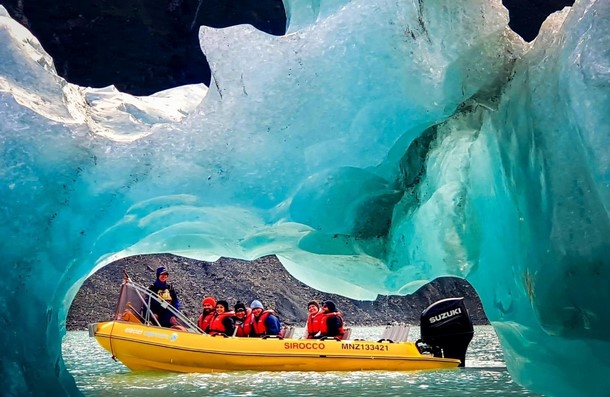
For adventurers seeking awe-inspiring landscapes and extreme outdoor experiences, glacier exploration tours offer a unique opportunity to traverse some of the planet’s most dramatic icy environments. These tours combine physical challenge, scientific discovery, and breathtaking scenery, providing participants with a firsthand look at glaciers’ power, beauty, and fragility. Beyond the thrill of walking on ice and navigating crevasses, glacier exploration tours educate travelers about glacial formation, climate change impacts, and the ecosystems that thrive in extreme cold. For those willing to embrace the cold and step into a world of ice, these tours create unforgettable memories while offering a rare glimpse into nature’s frozen frontiers.
Understanding the Appeal of Glacier Exploration
Glacier exploration is not just about adventure—it’s about experiencing a landscape that is constantly shifting and alive. Glaciers are dynamic systems, slowly moving and reshaping valleys over millennia. By participating in guided tours, travelers gain insight into glacial geology, ice stratification, and the processes that shape mountain landscapes. Knowledgeable guides explain how glaciers act as reservoirs of freshwater, influence local climate, and interact with surrounding ecosystems, turning the experience into both an educational and thrilling journey.
These tours attract a wide range of participants, from extreme adventure enthusiasts to travelers seeking immersive nature experiences. The appeal lies in the combination of physical activity—hiking, climbing, and ice trekking—with breathtaking visual experiences. Towering ice walls, deep crevasses, ice caves, and frozen waterfalls offer both challenge and spectacle. Photography enthusiasts, in particular, find glacier exploration tours rewarding, as the interplay of light on ice and snow creates dramatic, ever-changing landscapes.
Safety and preparation are central to the success of glacier exploration tours. Participants typically receive specialized training in the use of crampons, ice axes, and harnesses. Guides provide safety briefings, route planning, and risk assessments, ensuring that travelers can navigate the ice safely while still feeling the thrill of exploration. Proper clothing, footwear, and cold-weather gear are essential for comfort and protection, as conditions can change rapidly in glacial environments.
Signature Experiences in Glacier Exploration Tours
Glacier exploration tours offer a variety of signature experiences, each designed to maximize engagement with the ice and surrounding landscapes. One popular activity is ice trekking, which allows participants to walk across frozen expanses, traverse crevasses using ladders and ropes, and explore ice caves formed over centuries. These experiences combine physical activity with an intimate understanding of the glacier’s structure and beauty.
Another highlight is mountaineering and climbing on glacial terrain. Some tours offer guided climbs up ice walls or frozen waterfalls, providing both technical challenges and incredible viewpoints. These activities are designed for varying skill levels, with some tours catering to beginners seeking controlled experiences and others tailored for advanced adventurers pursuing more rigorous climbs.
Wildlife observation is often an additional component of glacier tours. Though extreme cold limits biodiversity, hardy species such as snow foxes, mountain goats, and certain birds are adapted to these harsh environments. Guided tours highlight the ways wildlife survives and interacts with glacial ecosystems, offering travelers a more complete understanding of life in extreme conditions.
Environmental Awareness and Education
One of the most important aspects of glacier exploration tours is raising awareness about environmental issues. Glaciers are highly sensitive indicators of climate change, and many tours incorporate educational components focused on glacial retreat, melting rates, and the global consequences of ice loss. Travelers witness firsthand the scale and speed at which glaciers are changing, fostering a deeper appreciation for environmental conservation.
Tour operators are increasingly committed to sustainable practices, including minimizing group sizes, reducing waste, and using low-impact transportation to access remote glacial regions. These practices ensure that adventure seekers can enjoy glacier landscapes responsibly, preserving the integrity of fragile ecosystems for future explorers.
Planning a Glacier Exploration Adventure
Planning a successful glacier exploration tour requires careful preparation. Choosing reputable operators with experienced guides, comprehensive safety protocols, and well-structured itineraries is essential. Duration of the tour, level of physical difficulty, and destination accessibility should all align with the traveler’s abilities and goals. Multi-day tours often include camping or lodge stays near the glacier, allowing participants to immerse themselves fully in the environment while resting safely between excursions.
Timing is another critical factor, as weather and seasonal conditions greatly influence both safety and the quality of the experience. Glacial tours are often best undertaken during warmer months when daylight is extended, ice conditions are more stable, and accessibility is higher. However, certain regions offer winter expeditions for those seeking extreme cold and unique ice formations, catering to specialized adventure enthusiasts.
In conclusion, glacier exploration tours provide an unparalleled opportunity for travelers to engage with some of the most majestic and fragile environments on Earth. Combining adventure, education, and environmental awareness, these tours offer experiences that challenge the body, stimulate the mind, and inspire a lasting appreciation for the natural world. For those willing to brave the ice and embrace the frozen wilderness, glacier exploration tours deliver a once-in-a-lifetime journey through the dramatic landscapes of Earth’s icy frontiers.